
Quality ... the degree of excellence
800-451-7225
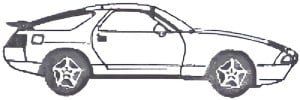
Porsche
928
Air Conditioning Parts
Griffiths designs, manufactures and supplies New air
conditioning upgrade components
for all 928 Porsche models. Our New a/c product line includes: barrier
hoses and hose sets,
Kuehl brand compressors, condensers, driers, expansion valves,
evaporators, R134a conversions and upgrades.
Porsche
Griffiths also rebuilds, repairs and remanufactures a wide range
Porsche OEM style air conditioning compressors: Behr, Bosch, Denso and
Nippondenso
Compressors
Behr/Bosch
The early 928 (1978-1979) used the large Behr/Bosch oscillating plate
type
compressor. This unit is a beast, though reliable. Griffiths stocks
this
early style compressor, with and without clutch, in R12 and R134a
configurations.
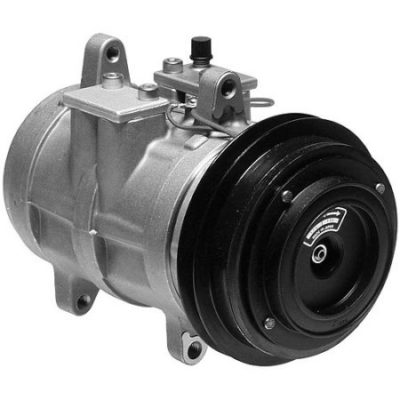
Nippondenso
From 1980 to 1989 a large swash-plate multi-piston driven Nippondenso
having
6 mounting ears was used. A bit more efficient than the early
compressors,
but still a bit of beast. The compressor unit is similar to the 944
from
1983-1985/1 only the clutch pulley is different. Griffiths stocks this
early compressor with a clutch in R12 and R134a configurations.
Our remanufacturing details include: case,piston & bore and reed
valve
inspections, bearing replacement, quality seals and clutch overhaul. If
you are not committed to the OEM style Nippon a better solution would
be
our Kuehl kit noted below as there is no "core" charge.
Kuehl
Bolt-On Kuehl Compressor Kit
Griffiths offers an alternate solution to replace the OEM compressor
on your 928. This is our Kuehl brand compressor kit. A picture of the
Kuehl attached
to the 928 original compressor bracket is featured above. Our Kuehl
kit is simple to install as our kits include everything you'll need:
-
new Compressor & Clutch, with ester oil for R134a or R12.
-
mounting Hardware; our Kuehl comes with adapter Bracket already
attached!
-
new high pressure and low pressure "barrier" Hose lines
-
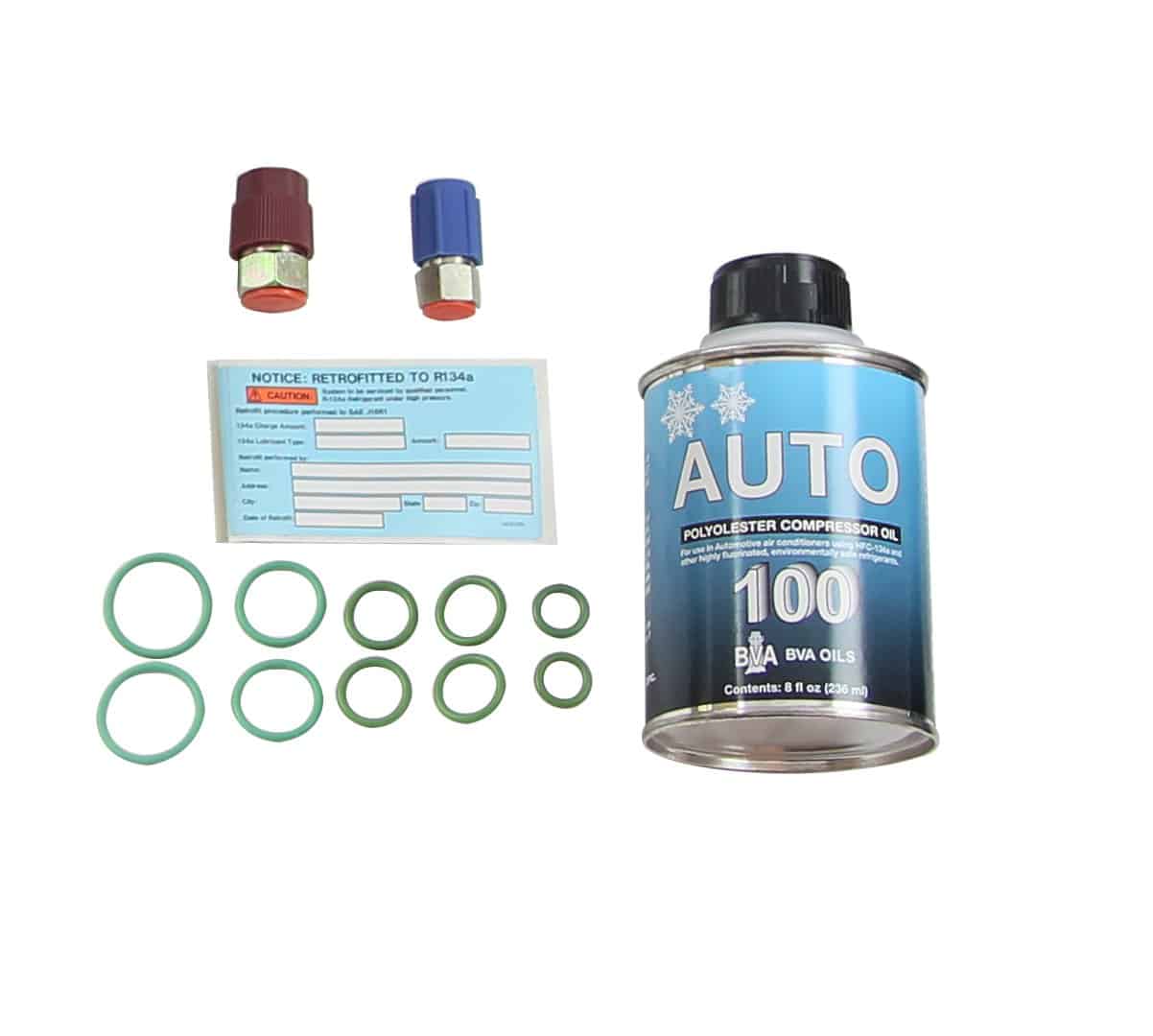
new Drier, o-rings and R134a charge port Adapters.
-
detailed Instructions with pictures
The Kuehl is smooth running swash plate design. The Kuehl is designed
to run with R134a, however you can use R12. With R134a the Kuehl unit
produces cold temperatures with your stock condenser. You would want to
consider our Kuehl if: (a) you
are dissatisfied with the performance of your original compressor, (b)
your current compressor seized (there is no core deposit involved with
our Kuehl kit), or (c) your existing compressor is leaking.
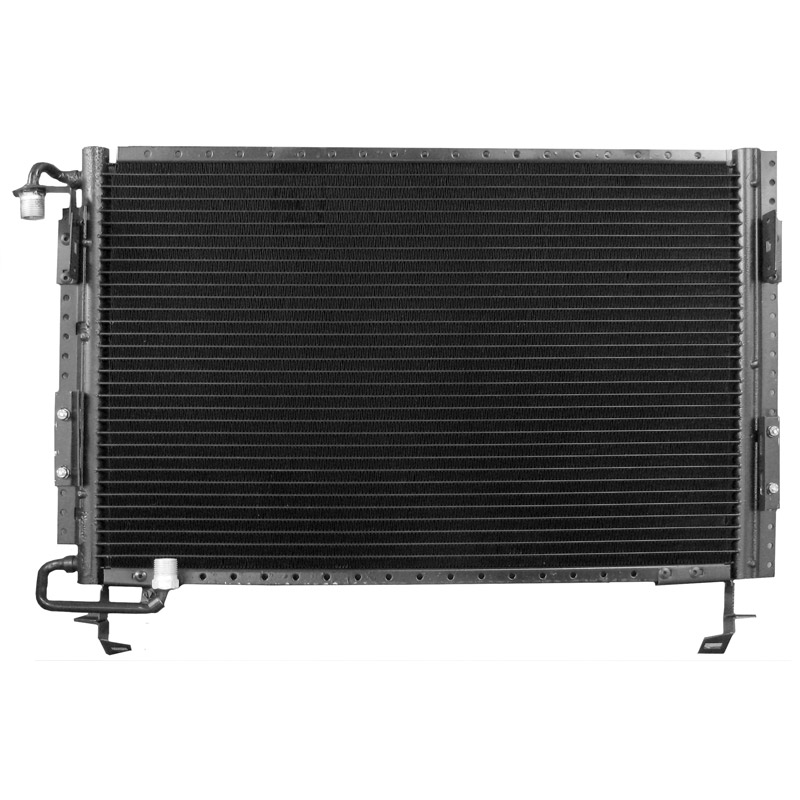
Condensers
There are three different condensers used from 1978 through 1990. The
1978-86
shared the same model on manual and automatic tran's. In 1987 the
manual
trans used one type and the automatic trans used another. Early
condensers
were traditional tube and fin and later models used serpentine tubing.
Condensers should be gently cleaned annually. Use a soft bristle brush
with very warm water and soap. Signs of oil with dirt accumulation can
be a sure note of leakage. You can straighten bent cooling fins using a
pair of tweezers and small flat blade screw driver (be very careful to
avoid the tubing). Griffiths stocks the various model in OEM and after
market mfgs.
Driers
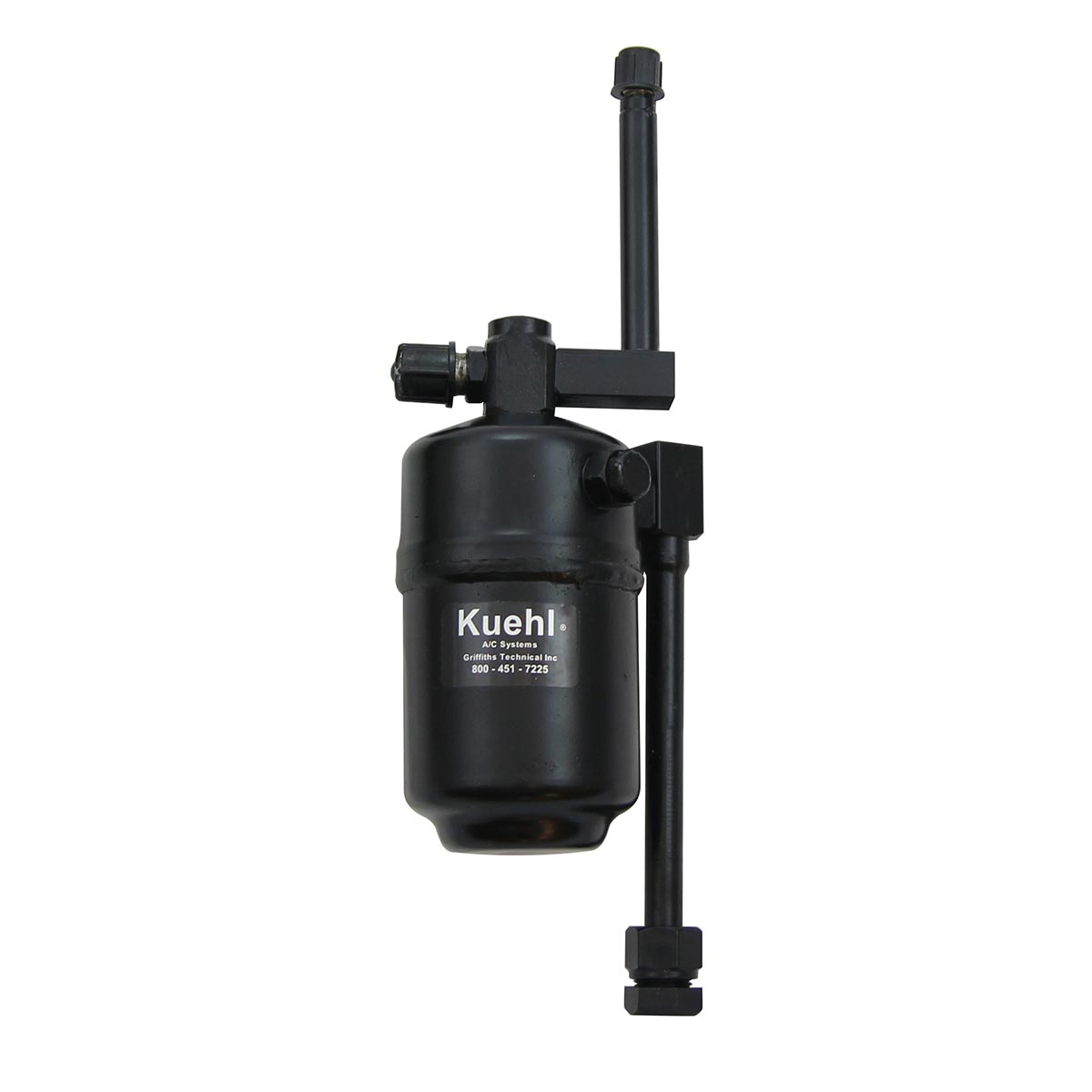
From 1978 through 1986 the 928 used a unique receiver drier having a
upward
extension for the charge port valve, a side block for the pressure
switch
and a downward extension to connect the condenser. In 1987 a drier
similar
to the 944 was used. The receiver drier is critical component to your
a/c
system. The drier is as important as your oil filter is to your engine.
It consists of a steel tank, a filter, desiccant bag (drying agent) and
a top mounted site glass. Driers should be replaced whenever: (a) your
system has lost it's refrigerant and the drier is the original unit,
(b)
the system is suspect to excessive moisture, (c) you are changing over
to an alternate refrigerant or incompatible refrigerant oils, or (d)
your
compressor seized or locked up. Griffiths stocks both style driers for
your 928.
Evaporators
There are two different front evaporator configurations between years
1978
to 1990, the part number changes after vin "92 GS860999". The 928 also
had a rear a/c option, the rear evaporator is different from the front
units. It's a good idea to check the condition of the evaporator at
some
point. Leakage will be noted by signs of oil film. Carefully clean out
any accumulated dust, dirt or leaves on top or in the cooling fins (do
not damage the tubes). Bent fins can be straighten'd with tweezers and
a small flat blade screw driver. Griffiths stocks evaporators for most
models.
Expansion Valves
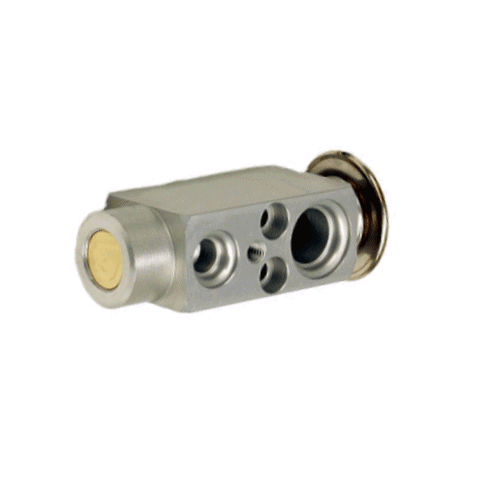
There are two different front expansion valve configurations between
years 1978 to 1990, the part number changes after vin "92 GS860999".
The
928 also had a rear a/c option, the rear expansion valve is different
from
the front units. The Expansion valve should be replaced when either,
(i)
diagnostics have confirmed valve failure or leakage, or (ii) your
compressor
seized or locked up. NOTE: you do not have change the expansion valve
for
R134a refrigerant, the R12 version works fine. Griffiths stocks
expansion
valves for your 928.
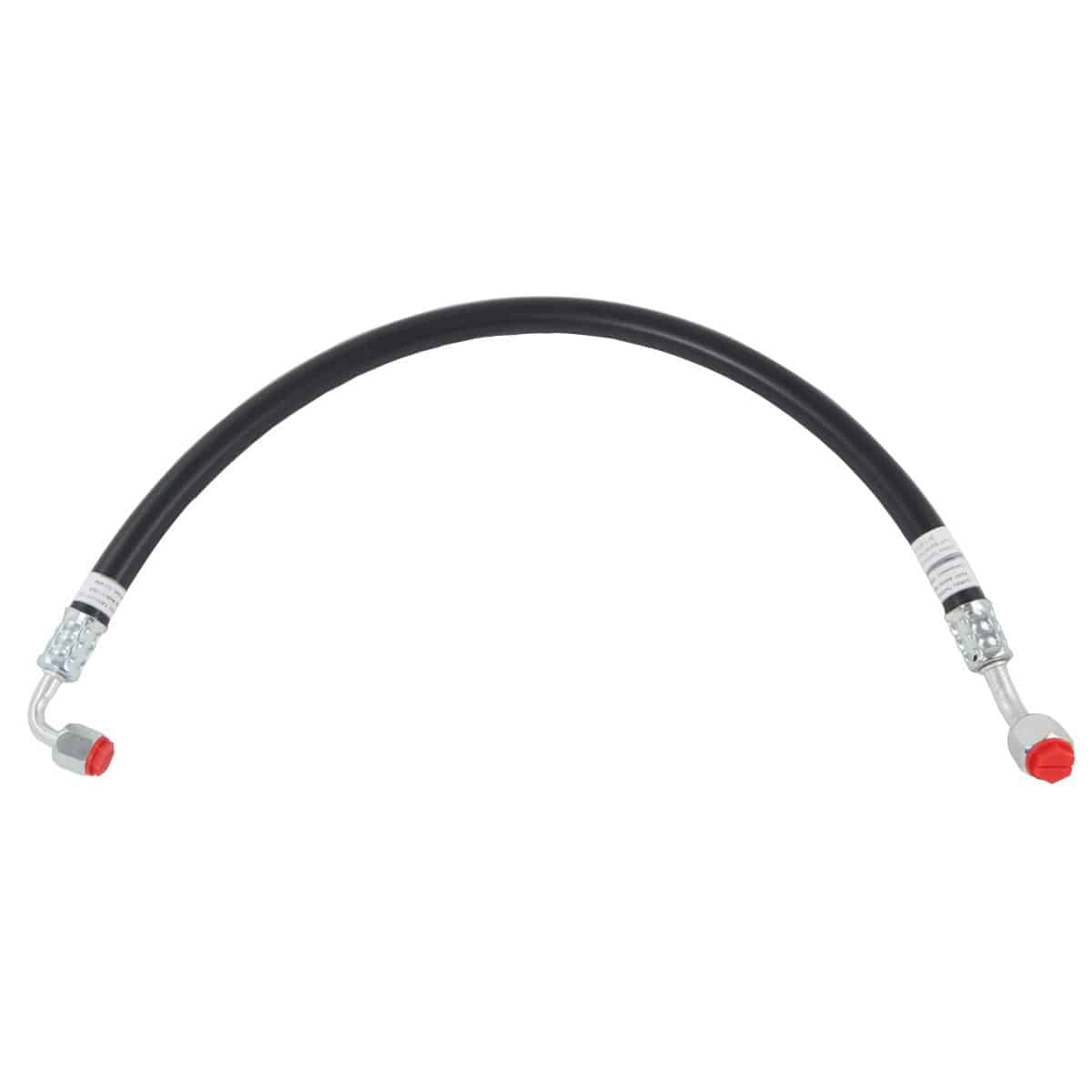
Hose Line Assemblies
The a/c hose lines on the 928 were originally made of traditional
hose
(rubber). This original type of hose was designed during the time
period
when R12 refrigerant was inexpensive and it's affect on the ozone level
was not known. This old fashion hose line slowly leaks (permeates)
refrigerant
through it's skin overtime. It was common to "top off" or recharge the
system on a yearly basis. Today, with the high cost of R12 it's not
wise
to have leaks of any kind. With the introduction of R134a refrigerant
the
a/c industry determined that the original type hose leaked R134a at a
greater
rate than R12. To solve the problem a new type of hose was designed
that
has inner liner which reduces rate of permeation (leakage) of
refrigerants
through the hose wall. It's called "barrier" hose. You should inspect
your
hose lines on a yearly basis, looking for cracks, signs of oil or dirt
accumulation on the hose or near the hose fittings. You may notice
small
pin size holes that are evenly spaced in a line running the length of
your
hoses. These are "pressure relief" holes which are installed by most
hose
manufacturers. The small holes allow pressure to escape in the event
that
the primary inner wall of the hose should fail under extreme pressure.
The designers contemplated that it would be better to avoid a sudden
eruption
in the outer wall that could harm the vehicle or a technician working
on
the car. Under normal peak operating pressures refrigerant does NOT
leak
through these holes. There are two short rubber a/c lines at the
compressor.
There is the large diameter ("low side") connecting to the evaporator
side
against the fender wall and the smaller diameter ("high side")
connecting
to the condenser. The later can be prone to leakage. Griffiths stocks
both
hose line assemblies made of barrier hose.
© Copyright 2000-2012 Griffiths Technical Inc. All rights reserved.
NOTICE:
All images, artwork, text & copy on this site and page are legally
protected and are not to be reproduced or distributed without prior
written
consent of Griffiths Technical Inc.
Porsche® is a registered trademark of Dr. Ing. h. c. F. Porsche
AG.
Kuehl is a trademark of Griffiths Technical Inc.
page revised 01/01/12
